
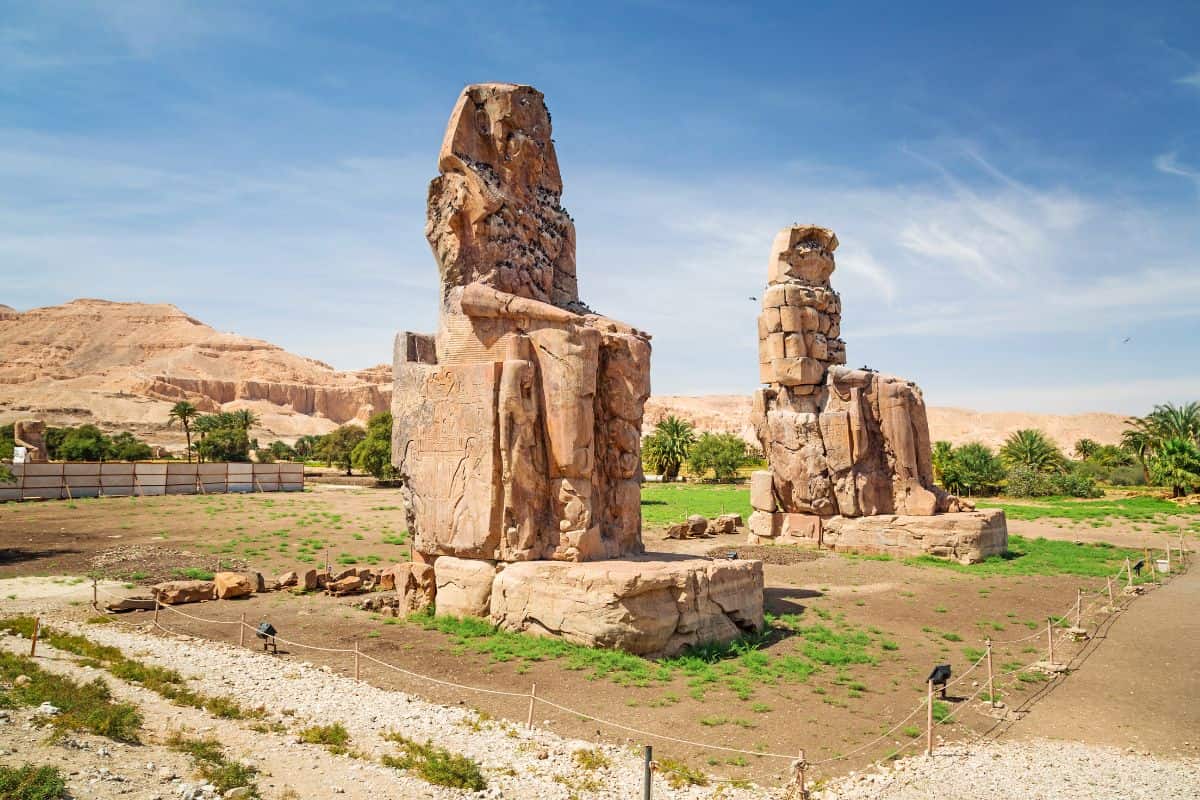
Egypt is a year-round travel destination, famous for its ancient pyramids, magnificent temples, Nile cruises, desert landscapes, and beautiful Red Sea beaches. However, choosing the right time to visit can make a significant difference to your experience, especially if you plan to explore outdoor archaeological sites or travel between Cairo, Luxor, and Aswan.
For most travelers, October to April is the best time to visit Egypt for sightseeing, thanks to generally milder temperatures. November, February, and March are particularly appealing for combining ancient monuments with a Nile cruise. If your main goal is snorkeling, diving, or relaxing on the beach, Egypt’s Red Sea resorts are attractive throughout the year.
This guide explains Egypt’s weather by season and region, the best months for different activities, and practical tips to help you plan a comfortable and memorable holiday.
When Is the Best Time to Visit Egypt?
The best time depends on what you want to experience. Egypt has different climate conditions across the Mediterranean coast, Cairo, the Nile Valley, and the Red Sea, so the ideal month for one destination may not be the best for another.
October and November are excellent choices for travelers planning a multi-destination holiday. Temperatures begin to become more comfortable after summer, making it easier to explore Cairo’s historical landmarks, visit Luxor’s temples, and enjoy a Nile cruise.
December through February is a popular period for cultural sightseeing. Daytime conditions are often pleasant in southern Egypt, although mornings and evenings can be chilly, particularly in Cairo and desert areas.
March and April offer warm days that are often suitable for sightseeing and beach holidays. However, temperatures rise as spring progresses, and occasional dusty winds can affect visibility and outdoor comfort.
From May to September, temperatures can become extremely high in Luxor and Aswan. This period can still work well for Red Sea holidays, especially for travelers who want to spend time swimming, snorkeling, or diving rather than walking around temples for hours.
Egypt’s climate is generally dry, with more rainfall in the northern coastal areas than in the south. The country’s official tourism guidance also emphasizes that temperatures vary by region and that light clothing, sun protection, and a jacket for cooler evenings are useful travel essentials.
Egypt Weather by Season
Winter in Egypt: December to February
Winter is one of the best seasons for exploring Egypt’s ancient monuments. Cairo, Giza, Luxor, and Aswan generally experience more comfortable daytime temperatures than during summer, allowing travelers to spend longer periods outdoors.
In Cairo, winter days can be mild, while mornings and evenings may feel cold. At the Pyramids of Giza, a light jacket can be useful, particularly when arriving early to avoid crowds.
Luxor and Aswan are generally warmer during the day, making winter an excellent season for exploring Karnak Temple, Luxor Temple, the Valley of the Kings, and Philae Temple. The cooler weather is also ideal for a multi-day Nile cruise between Luxor and Aswan.
Winter is a popular tourist season, particularly around Christmas and New Year. Hotels, flights, guided tours, and Nile cruises may be in higher demand during these periods, so booking in advance is advisable.
If you are visiting in January or February, bring layers rather than assuming Egypt will be hot everywhere. Southern Egypt can be sunny during the day while temperatures drop noticeably after sunset.
Spring in Egypt: March to May
Spring brings warmer temperatures and longer, sunnier days. March and early April are often excellent for travelers who want to combine sightseeing, desert excursions, and Red Sea activities.
Luxor and Aswan become increasingly warm during this period, so early-morning temple visits are a good idea. Cairo and Giza are also appealing destinations for exploring archaeological sites and museums.
One consideration is the possibility of khamsin winds, which can carry dust and sand across parts of Egypt, particularly during spring. These conditions are not constant, but they may affect visibility, comfort, and some outdoor activities.
By May, temperatures in southern Egypt can become very high. Travelers planning a visit to Luxor or Aswan should schedule outdoor sightseeing early in the day, take breaks in shaded areas, and drink water regularly.
Spring is a good choice for visitors who want a balance of cultural exploration and beach time, provided they plan around the warmer weather.
Summer in Egypt: June to August
Summer is the hottest season in Egypt, particularly in the Nile Valley and desert regions. Luxor and Aswan can experience temperatures above 40°C, making extended outdoor sightseeing challenging during the middle of the day.
Travelers visiting Cairo may still enjoy museums, indoor attractions, and early-morning visits to the Giza Pyramids, but the heat requires careful planning. In Luxor and Aswan, it is especially important to start temple visits early and avoid unnecessary exposure to the midday sun.
The Red Sea coast can be a better choice for a summer holiday. Hurghada, Marsa Alam, El Gouna, and Sharm El Sheikh offer swimming, snorkeling, diving, and resort facilities that make it easier to balance outdoor activities with time indoors.
Summer can also be appealing to travelers who prefer quieter archaeological sites or more flexible travel budgets. However, lower demand and better prices are not guaranteed, so compare actual rates for your dates.
If you plan to visit Egypt in July or August, consider limiting the number of full-day outdoor tours in southern Egypt and allowing time to relax between excursions.
Autumn in Egypt: September to November
Autumn is one of the most attractive seasons for a trip to Egypt. Temperatures gradually become more comfortable after summer, and conditions improve for exploring temples, tombs, and desert landscapes.
September can still be very hot, especially in Luxor and Aswan, but conditions generally become more manageable as the season progresses.
October is an excellent month for combining Cairo, Luxor, Aswan, and the Red Sea. Travelers can explore ancient sites, take a Nile cruise, and enjoy beach activities without facing the peak heat of summer.
November is particularly appealing for a multi-destination itinerary. The weather is often suitable for walking around archaeological sites during the day, while evenings are pleasant for dining outdoors or enjoying the Nile.
Autumn is also a popular travel period, so booking major excursions and cruise cabins ahead of time can help you secure your preferred schedule.
Best Time to Visit Egypt by Destination
Cairo and the Giza Pyramids
The best time to visit Cairo and the Giza Pyramids is generally October through April. The milder weather makes it more comfortable to explore the pyramid complex, visit museums, and discover the city’s historic neighborhoods.
November, February, and March are particularly good choices for travelers who want to spend time outdoors without the extreme heat of summer.
Winter evenings can be cool, so bring a light jacket. If you visit during warmer months, aim to arrive at outdoor attractions early in the morning and plan indoor activities for the hottest part of the day.
Luxor
Luxor is one of Egypt’s most important archaeological destinations, home to Karnak Temple, Luxor Temple, the Valley of the Kings, and the Temple of Hatshepsut.
The best time to visit is generally October through April, when outdoor sightseeing is more comfortable. November through February is especially appealing for exploring both the East and West Banks.
Spring can also be rewarding, although temperatures rise quickly as summer approaches. If you visit Luxor between May and September, prioritize early starts and avoid spending long periods in exposed areas around midday.
A sunrise hot air balloon ride is another popular experience in Luxor. Balloon flights depend on weather and operating conditions, so allow flexibility in your schedule.
Aswan
Aswan is known for Philae Temple, the Aswan High Dam, the Unfinished Obelisk, Nubian villages, and scenic Nile sailing experiences.
The cooler months are generally best for exploring the city and its surrounding archaeological sites. October through March offers a more comfortable setting for boat trips, village visits, and temple excursions.
Aswan is usually hotter than Cairo, particularly during summer. If you travel between May and September, organize outdoor visits for early morning or late afternoon and keep your midday schedule flexible.
Winter is also a popular time for a day trip to Abu Simbel, where the monumental temples of Ramesses II and Queen Nefertari are among Egypt’s most impressive archaeological attractions.
Hurghada and the Red Sea
Hurghada is a popular choice for travelers seeking warm weather, sandy beaches, coral reefs, and water sports. The resort is suitable for holidays throughout the year, although the temperature and wind conditions vary by season.
Spring and autumn offer a comfortable balance between beach relaxation and outdoor activities. Winter is also appealing, particularly for visitors who want sunshine and swimming without intense summer heat, although evenings can be cooler.
Summer brings very warm weather and sea conditions that many beach travelers enjoy. If you are planning snorkeling or diving, check the specific activity schedule and sea conditions before booking.
Marsa Alam
Marsa Alam is known for its coral reefs, snorkeling sites, diving opportunities, and quieter Red Sea atmosphere. It is a good destination for travelers who want to focus on marine life and coastal relaxation.
Spring and autumn are excellent periods for combining beach time with excursions. Winter can also be enjoyable, although wind and water conditions may affect particular activities.
Summer is hot, but many visitors still choose Marsa Alam for diving and resort holidays. Plan excursions around the forecast and follow local guidance for swimming and snorkeling.
Alexandria and Egypt’s Mediterranean Coast
Alexandria has a different climate from southern Egypt because it lies on the Mediterranean coast. Summers are generally more moderate than in Luxor and Aswan, while winters can bring cooler temperatures and more rain.
Late spring and early autumn are good options for exploring Alexandria’s waterfront, historic landmarks, and cultural attractions. Summer is popular for seaside holidays, although coastal resorts can become busy during the Egyptian summer vacation period.
If you plan to visit in winter, bring a rain-resistant jacket and check the forecast before arranging outdoor excursions.
Best Time to Visit Egypt for Different Experiences
For a Nile Cruise
October through April is generally the most comfortable period for a Nile cruise between Luxor and Aswan. Daytime sightseeing is usually easier during these months, and travelers can explore temples along the river without the extreme heat common in summer.
November, February, and March are particularly attractive for combining cruise time with guided excursions in Luxor and Aswan.
When booking, check the exact itinerary, cabin category, meals, guided tours, and entrance fees. Different cruise vessels and packages offer different inclusions.
For Ancient Temples and Archaeological Sites
Winter and the cooler parts of spring and autumn are the best choices for visiting Egypt’s major monuments. Sites such as Karnak, the Valley of the Kings, Philae Temple, and Abu Simbel often require considerable walking in open or exposed areas.
Start early in the morning whenever possible, even during the cooler months. You can enjoy a more comfortable visit, and arriving early may also help you avoid some of the larger tour groups.
For Snorkeling and Diving
The Red Sea offers snorkeling and diving opportunities throughout the year. Spring and autumn are attractive for travelers who want warm conditions without the strongest summer heat.
Winter can also provide excellent marine experiences, but water temperature, wind, and sea conditions vary. Depending on the season and personal comfort, some swimmers may prefer a wetsuit.
Choose a reputable operator and follow local safety instructions, especially when snorkeling from a boat or visiting offshore reefs.
For Desert Safaris and Camping
The cooler months are usually best for desert excursions in places such as the White Desert, Bahariya Oasis, and the Western Desert. Daytime temperatures are more suitable for outdoor exploration, although nights can become cold.
Spring and autumn may also be suitable, but dust and wind can affect conditions. Summer is generally less comfortable for long outdoor desert activities, particularly in exposed areas.
Before booking a desert safari or overnight camping trip, confirm the route, equipment, meals, transport, and contingency arrangements with the operator.
For Hot Air Ballooning in Luxor
A sunrise balloon ride is a memorable way to see Luxor’s West Bank, the Nile Valley, and the surrounding desert landscape from above.
The cooler months are popular for this experience because temperatures are generally more comfortable for early-morning sightseeing. However, balloon flights operate only when conditions are considered suitable, so a flight can be delayed or cancelled regardless of the season.
If the balloon ride is a priority, consider arranging it early in your Luxor stay so you have more flexibility if the operator offers an alternative date.
Practical Tips for Planning Your Egypt Trip
Plan your itinerary around the climate of each destination rather than treating Egypt as one uniform weather zone. A comfortable winter day in Cairo may feel very different from a summer afternoon in Aswan.
Book popular Nile cruises, guided excursions, and balloon rides ahead of time if you are traveling during a busy season. Confirm what is included in each booking, including transportation, entrance fees, meals, and guide services.
For outdoor sightseeing, start early, take regular breaks, and drink water throughout the day. Follow local advice during heatwaves or dusty weather, and allow flexibility for activities that depend on weather conditions.
If you are visiting multiple regions, avoid scheduling too many long excursions on consecutive days. Allowing time to rest can make a multi-city itinerary more enjoyable.
Finally, check opening times, transport arrangements, and current travel requirements before departure. A little preparation will help you make the most of Egypt’s history, landscapes, and hospitality in any season.



Nemo enim ipsam voluptatem quia voluptas sit aspernatur aut odit aut fugit, sed quia consequuntur magni dolores eos qui ratione voluptatem sequi nesciunt.