Sailing along the Nile is one of the most memorable ways to discover ancient Egypt. Between Luxor and Aswan, travelers can admire historic temples, traditional riverside villages, palm-lined landscapes, and the timeless beauty of the river. However, choosing the right boat can make a significant difference to your experience.
A traditional Nile cruise ship offers hotel-style comfort, onboard facilities, organized excursions, and a convenient schedule. A dahabiya provides a smaller, more intimate sailing experience, with fewer guests, peaceful river views, and opportunities to explore quieter places along the Nile.
So, which is best for your Egypt vacation? This guide compares Nile cruises and dahabiyas in terms of comfort, atmosphere, sightseeing, itinerary, and travel style to help you choose the experience that suits you best.
What Is a Nile Cruise?
A Nile cruise is a multi-day river journey aboard a passenger vessel designed to combine accommodation, dining, sightseeing, and transportation. Most traditional cruise itineraries connect Luxor and Aswan, two of Egypt’s most important destinations for ancient Egyptian history.
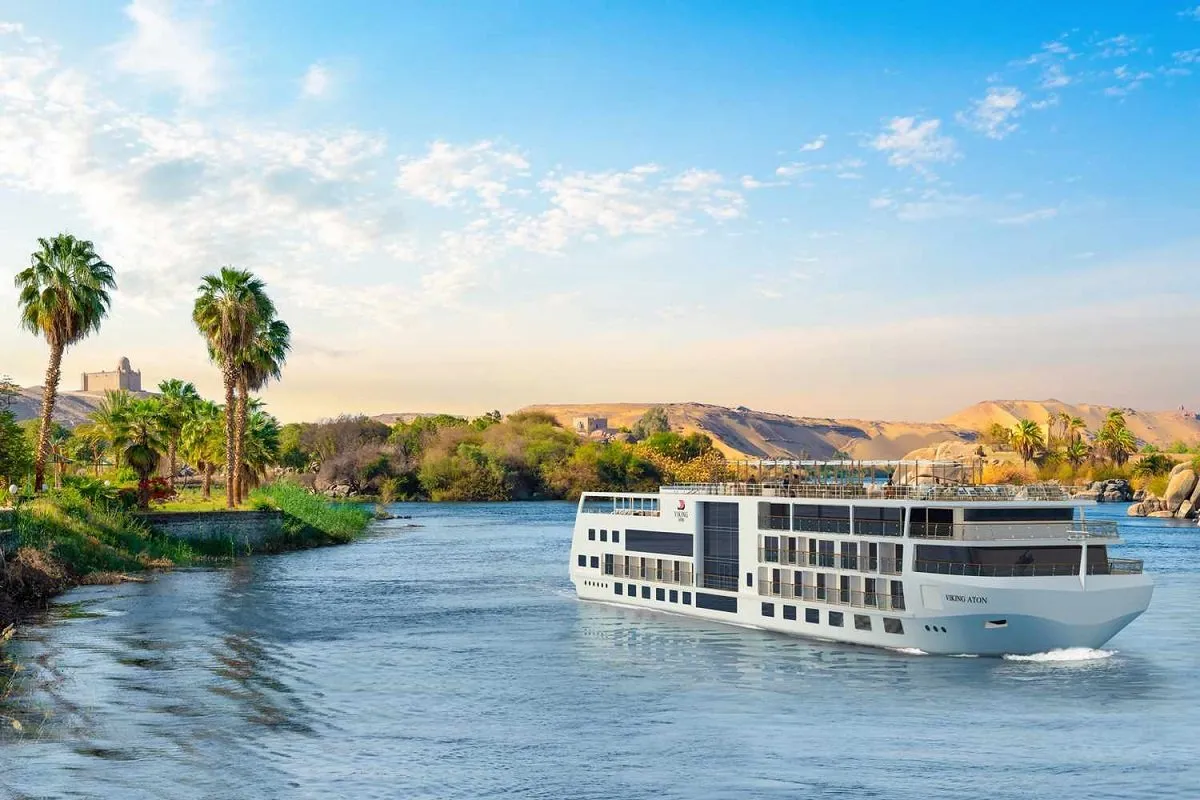
Large cruise ships generally feature private cabins, restaurants, lounges, sun decks, and often swimming pools or other leisure facilities. Depending on the vessel, guests may also enjoy evening entertainment and organized activities.
One of the main advantages of a Nile cruise is convenience. Rather than arranging transportation and accommodation separately between cities, travelers can stay aboard the same vessel while visiting several archaeological sites along the river.
Typical itineraries include Luxor’s East and West Banks, Edfu Temple, Kom Ombo Temple, and Aswan’s High Dam and Philae Temple. The precise stops and order of sightseeing depend on the cruise direction, duration, and operator.
For travelers visiting Egypt for the first time, a Nile cruise offers a straightforward way to explore Upper Egypt while enjoying the comfort of a floating hotel.
What Is a Dahabiya?
A dahabiya is a traditional-style sailing vessel adapted for modern Nile travel. Compared with a large cruise ship, it carries far fewer guests and offers a more personal atmosphere.
Modern dahabiyas typically feature private cabins, dining areas, and open or shaded decks where guests can relax and enjoy the scenery. Their smaller size creates a different relationship with the river, allowing for a quieter journey and, depending on the vessel and itinerary, access to smaller mooring places that larger ships may not use.
Sailing is an important part of the experience. Dahabiyas use their sails when conditions permit, but they may rely on a tug or other assistance when the wind is insufficient or navigation requires it. Travelers should not assume that every part of the journey will take place under sail alone.
A dahabiya is particularly appealing to couples, families, small groups, and travelers who value privacy, peaceful surroundings, and a slower approach to exploring Egypt.
Nile Cruise vs. Dahabiya: The Main Differences
Boat Size and Atmosphere
The most obvious difference is the size of the vessel and the number of people onboard.
A standard Nile cruise ship accommodates considerably more guests and offers a lively, social environment. Travelers can meet other passengers, spend time in shared lounges, relax by the pool when available, and join organized activities.
A dahabiya has a more intimate atmosphere, with fewer guests sharing the dining areas and deck. The experience often feels quieter and more personal, making it attractive to travelers who want to enjoy the Nile away from larger crowds.
If you enjoy meeting other travelers and having a choice of onboard activities, a large cruise ship may suit you better. If you prefer calm surroundings and a smaller group, a dahabiya may be the stronger choice.
Comfort and Onboard Facilities
Large Nile cruise ships generally provide a wider range of facilities. Depending on the vessel and category, these can include restaurants, bars, swimming pools, spacious sun decks, lounges, and entertainment areas.
Dahabiyas focus more on the sailing experience itself. Many offer comfortable private cabins, freshly prepared meals, attractive decks, and personalized service, but they usually have fewer leisure facilities than larger ships.
This difference matters when deciding how you want to spend your time between excursions. If a swimming pool, multiple shared spaces, or evening entertainment is important to you, compare the specific cruise ship’s facilities before booking.
If your priority is relaxing on deck, enjoying the river scenery, and spending time in a smaller setting, a dahabiya may provide exactly the atmosphere you want.
Sailing Style and Travel Pace
A conventional Nile cruise ship typically follows a planned timetable, coordinating sailing, docking, meals, and guided excursions. This structure makes it easier to organize a trip around specific dates and onward travel arrangements.
A dahabiya follows a slower rhythm shaped partly by wind conditions and its itinerary. Sailing may become a highlight in its own right, with more time to appreciate the riverbanks, watch village life, and enjoy the changing landscape.
However, a dahabiya does not automatically mean a completely flexible itinerary. Departure dates, scheduled excursions, and overnight stops still depend on the operator. Ask how the sailing schedule works and how much flexibility is available before booking.
Choose a standard cruise for a more structured journey. Choose a dahabiya if you value the experience of traveling slowly along the river as much as the monuments themselves.
Privacy and Personal Service
A larger cruise ship can be an excellent choice for travelers who enjoy an active social environment. Meals, excursions, and onboard activities bring guests together, and there may be opportunities to meet people from around the world.
A dahabiya generally offers a more private-feeling experience. With fewer guests, the crew can often provide more personal attention, although service levels vary by operator and vessel.
This can be especially appealing for honeymooners, couples celebrating a special occasion, and families who prefer a relaxed environment.
For the most private experience, ask whether a dahabiya can be chartered exclusively for your group. Availability, included services, and the cost of a private charter vary between operators.
Sightseeing: Which Boat Visits the Best Temples?
Both Nile cruises and dahabiyas explore the historic stretch of the Nile between Luxor and Aswan. The difference is not simply which ancient monuments you see, but how the journey is organized and how much time you have for each stop.
Luxor’s Ancient Temples and Tombs
Luxor is one of the principal starting or ending points for Nile journeys. Its East Bank is home to Karnak Temple and Luxor Temple, while the West Bank contains the Valley of the Kings, the Temple of Hatshepsut, and the Colossi of Memnon.
Many itineraries include guided sightseeing in Luxor before departure or after arrival. Some packages also offer optional experiences such as a sunrise hot air balloon flight.
If you have limited time, confirm whether the cruise package includes these visits or whether they must be arranged separately.
Edfu Temple
Edfu Temple is dedicated to Horus and is one of Egypt’s best-preserved ancient temple complexes. Its monumental entrance, courtyards, columns, and detailed reliefs make it a major highlight along the Nile.
Large cruise ships commonly include Edfu in their itineraries. Dahabiya itineraries may also include the temple, although the timing and transportation arrangements can differ.
Kom Ombo Temple
Kom Ombo Temple stands beside the Nile and is notable for its unusual double design, associated with Sobek and Horus the Elder. Its riverside location and distinctive carvings make it another important stop on many Nile journeys.
Both types of boat may include Kom Ombo, but the exact itinerary depends on the sailing duration and operator.
Aswan and Philae Temple
Aswan offers a combination of archaeological landmarks and beautiful river scenery. Highlights often include Philae Temple, the Aswan High Dam, and the Unfinished Obelisk.
A visit to Philae Temple involves a boat transfer to the island where the complex is located. Travelers can also arrange a traditional felucca ride or a visit to a Nubian village as an additional experience.
If you want to explore beyond the main monuments, ask whether your chosen cruise or dahabiya includes extra excursions or leaves enough free time to arrange them.
Which Experience Offers Better Value?
Value depends on what you want included in your trip, rather than simply comparing the boat categories.
A standard Nile cruise can be an economical way to combine accommodation, meals, transportation, and sightseeing. Larger vessels spread operating costs across more passengers and usually offer a wider selection of departure dates and cabin categories.
A dahabiya is generally a more specialized experience. Its smaller capacity, intimate setting, and distinctive sailing style can make it more expensive per guest, although prices vary considerably according to the vessel, season, cabin, itinerary, and booking arrangement.
When comparing options, check whether the quoted amount includes accommodation, meals, guided sightseeing, entrance tickets, transfers, drinks, and gratuities. Two apparently similar packages may offer different inclusions.
The best value is the option that matches your priorities and provides the comfort, service, and sightseeing you actually want.
Nile Cruise vs. Dahabiya for Couples and Honeymoons
For couples seeking a romantic Egyptian holiday, a dahabiya can be particularly appealing. The smaller guest group, quiet evenings, scenic sailing, and intimate dining atmosphere create a peaceful setting for spending time together.
A luxury Nile cruise can also be a wonderful choice for a honeymoon, especially if you enjoy spacious cabins, swimming pools, onboard entertainment, and a broader range of facilities.
Consider your preferred atmosphere before deciding. A dahabiya is ideal for couples who enjoy a slower, quieter journey. A larger cruise ship is suitable for couples who want comfort, organized excursions, and more activities between visits to the temples.
Which Is Better for Families?
Families should consider the ages of their children, the facilities available, and the pace of the itinerary.
A larger Nile cruise ship may be more suitable for families who appreciate swimming pools, spacious shared areas, entertainment, and a predictable schedule. These facilities can make the time between sightseeing visits more enjoyable.
A dahabiya may work well for families who prefer a quieter experience and are comfortable with fewer onboard amenities. It can also be an option for families traveling together who want to inquire about a private charter.
Before booking, check child policies, cabin configurations, safety arrangements, and whether the daily schedule is suitable for everyone in your group.
How Many Nights Should You Book?
Three Nights: A Short Nile Cruise
A three-night cruise can suit travelers with limited time who want to experience the main highlights between Aswan and Luxor. The exact sightseeing schedule depends on the direction of travel and the vessel’s itinerary.
This option works best when your wider Egypt itinerary is already planned and you need a shorter river journey.
Four Nights: More Time on the Nile
A four-night cruise generally allows a more extended journey between Luxor and Aswan, with time for major temples and the landscapes along the river.
It is a popular option for travelers who want to combine guided sightseeing with time to relax onboard. Check the itinerary carefully, as not every four-night program includes the same excursions.
Five to Seven Nights: A Slower Sailing Experience
A longer journey can provide more time for relaxation, additional stops, and a less rushed experience. Some dahabiya itineraries are designed around a slower pace, while selected cruise ships offer longer programs or round-trip journeys.
If you want to enjoy the river itself rather than focus exclusively on the major archaeological sites, consider a longer itinerary that includes time between excursions.
Best Time to Book a Nile Cruise or Dahabiya
The cooler months, generally from October to April, are often popular for exploring Egypt’s ancient sites. Daytime sightseeing is usually more comfortable than during the hottest part of summer.
Demand, departure availability, and prices vary by season and operator. If you plan to travel during a busy period or want a particular dahabiya, booking early can give you more choice.
Before confirming, review the cancellation policy, departure and arrival times, cabin details, and the conditions under which the itinerary may change.
Practical Tips Before You Book
Start by checking the exact vessel rather than relying only on the words “luxury cruise” or “dahabiya.” Cabin sizes, service standards, facilities, and onboard atmosphere vary between operators.
Read the full itinerary and confirm which archaeological sites are included. Ask whether a qualified guide is provided, whether entrance tickets are covered, and how transfers to attractions are organized.
For dahabiya trips, ask how much sailing is expected, whether a tug may be used, and what happens if wind or river conditions affect the schedule.
For large cruise ships, check the available facilities, cabin location, departure date, meal arrangements, and included excursions.
Finally, leave enough time for your flights and onward travel. The river journey is only one part of an Egypt itinerary, and a little flexibility can make the entire trip more enjoyable.