
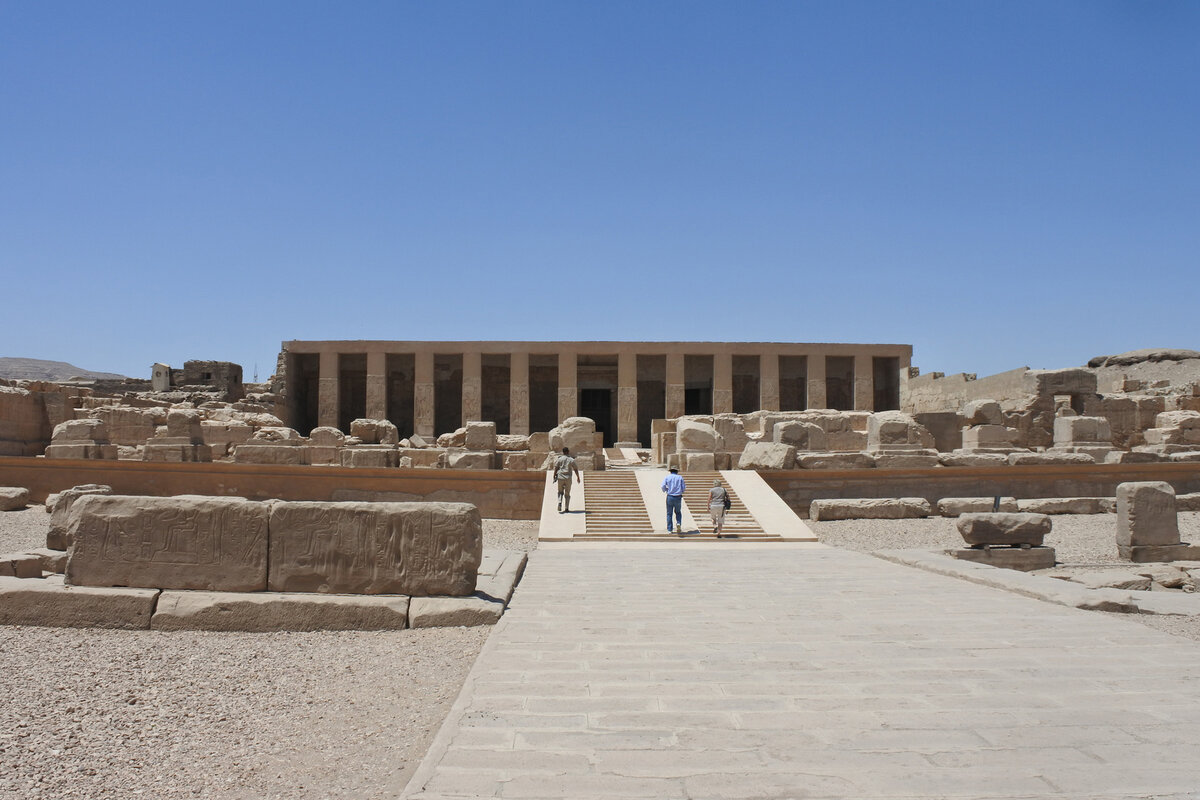
A day trip from Luxor to Dendera and Abydos is an excellent choice for travelers who want to explore two of Egypt’s remarkable ancient temple complexes beyond the city’s most famous monuments. Dendera is renowned for its beautifully decorated Temple of Hathor, colorful astronomical ceiling, and impressive columns, while Abydos is famous for the Temple of Seti I, its detailed reliefs, and the celebrated Abydos King List.
Located north of Luxor, these archaeological sites offer a deeper look into ancient Egyptian religion, royal history, and temple architecture. Visiting both in one day requires an early start and several hours of driving, but the journey rewards travelers with extraordinary artwork, fascinating history, and a different perspective on Upper Egypt.
Why Visit Dendera and Abydos from Luxor?
Luxor is an ideal base for exploring the ancient sites of Upper Egypt, including destinations that are often missed on shorter itineraries. Dendera and Abydos are particularly appealing to history enthusiasts, photographers, and travelers who have already visited Karnak Temple, Luxor Temple, and the Valley of the Kings.
The two temples offer contrasting experiences. Dendera is celebrated for its preserved architectural details and astronomical decorations, while Abydos provides an opportunity to explore one of ancient Egypt’s most important religious centers. Combining them in one excursion creates a rewarding day of history, art, and cultural discovery.
Dendera Temple: Discover the Sanctuary of Hathor
History of Dendera Temple
The Temple of Hathor at Dendera is one of the best-preserved temple complexes in Egypt. Although the site has a much older religious history, much of the surviving main temple was constructed during the Ptolemaic and Roman periods.
Hathor was associated with love, music, joy, motherhood, and the sky. Her worship was central to Dendera, which became an important religious destination in ancient Egypt. The temple’s architecture and decoration reflect the importance of these beliefs through detailed reliefs, elaborate columns, and celestial imagery.
The Famous Hathor-Headed Columns
One of the first features visitors notice is the impressive entrance hall, supported by massive columns decorated with the face of Hathor. These distinctive capitals are among the temple’s most recognizable architectural elements.
Inside, the halls contain intricate carvings of gods, pharaohs, and religious ceremonies. The walls and columns offer excellent opportunities to study the artistic traditions of ancient Egypt, while the preserved colors in certain areas help visitors appreciate how richly decorated these sacred buildings once were.
The Astronomical Ceiling
Dendera is especially famous for its astronomical decorations, which portray elements of the ancient Egyptian understanding of the sky and the movement of celestial bodies.
The ceiling features astronomical figures, deities, and symbolic representations connected with time and the heavens. These decorations make Dendera particularly interesting for visitors fascinated by ancient science, mythology, and religious symbolism.
The original circular Dendera Zodiac is now displayed in the Louvre Museum in Paris, while the temple preserves other remarkable astronomical scenes. Take time to look carefully at the ceiling and surrounding reliefs rather than focusing only on the main entrance hall.
The Temple Roof and Crypts
Depending on current access arrangements and ticket options, visitors may be able to explore additional parts of the temple, including roof areas and underground crypts.
The roof provides another perspective on the complex and its architectural layout. The crypts contain distinctive reliefs and narrow passageways that reveal more about the temple’s religious functions. Access to these areas may require separate tickets or be affected by temporary restrictions, so check availability before your visit.
Cleopatra and Caesarion Relief
Another notable feature is a relief depicting Cleopatra VII with her son Caesarion. The scene provides a fascinating connection between the temple’s religious traditions and the final period of ancient Egypt’s pharaonic history.
For travelers interested in Cleopatra and the Ptolemaic dynasty, this detail adds another dimension to the visit.
Abydos Temple: Explore the Sacred City of Osiris
The Religious Importance of Abydos
Abydos was one of the most important religious centers in ancient Egypt. It became closely associated with Osiris, the god connected with death, resurrection, and the afterlife. For centuries, the site attracted pilgrims and held a special place in Egyptian religious tradition.
The main attraction today is the Temple of Seti I, an extraordinary monument known for its fine relief carvings, historical inscriptions, and unusual architectural plan.
Temple of Seti I
Built during the New Kingdom and continued under Ramesses II, the Temple of Seti I is widely admired for the quality of its decoration. Its reliefs depict pharaohs making offerings to gods, participating in religious rituals, and affirming their divine authority.
Compared with many heavily weathered monuments, the temple preserves remarkable details that reward careful observation. Visitors can study the carving techniques, royal imagery, and religious scenes that made the monument so important.
The Abydos King List
One of the temple’s most famous features is the Abydos King List, a historical inscription containing the names of numerous earlier Egyptian rulers.
The list offers insight into how royal history was represented during the reign of Seti I. It is not a complete record of every ruler, but it remains an important source for understanding ancient Egyptian kingship and the way later pharaohs presented their predecessors.
A knowledgeable guide can explain the historical significance of the list and why certain rulers were omitted.
The Osireion
Behind the Temple of Seti I lies the Osireion, a monumental structure associated with Osiris. Its unusual construction and large stone elements distinguish it from the main temple.
Access arrangements can vary, and some areas may be restricted. Visitors should follow current site regulations and avoid assuming that entry into every part of the structure is permitted.
Temple of Ramesses II
Abydos also contains remains associated with the Temple of Ramesses II. If access and the itinerary allow, this additional stop can provide a broader understanding of the monuments built and expanded by the rulers of the New Kingdom.
Allow enough time to explore the main Temple of Seti I first, as it is usually the principal reason travelers visit Abydos.
Suggested Itinerary: Dendera and Abydos Day Trip from Luxor
Early Morning: Pickup from Luxor
Begin the day with an early pickup from your hotel, Nile cruise, or another agreed location in Luxor. A private air-conditioned vehicle is a practical choice because the excursion involves substantial driving between the sites.
The exact departure time depends on the tour operator, road conditions, and the planned order of visits. Starting early helps you make the most of the day and allows time to explore both temples without rushing.
Morning: Visit Abydos Temple
Depending on the route and local arrangements, your first major stop may be Abydos. Explore the Temple of Seti I, admire its finely carved reliefs, and learn about the site’s connection with Osiris and ancient Egyptian royal traditions.
Pay particular attention to the Abydos King List, the temple’s sanctuaries, and the religious scenes on the walls. If time and access permit, you may also see the nearby Osireion and other remains within the archaeological area.
Midday: Lunch Break
Take a break for lunch before continuing to the next temple. Lunch arrangements vary between tours and may be included or paid for separately.
A private excursion allows greater flexibility with the length of the stop, but it is important to coordinate with your driver and guide so that both temple visits fit comfortably into the day.
Afternoon: Explore Dendera Temple
Continue to Dendera to visit the Temple of Hathor. Explore the monumental entrance, Hathor-headed columns, decorated halls, and astronomical ceiling.
If the relevant areas are open and your ticket includes access, you may also visit the roof or crypts. Leave time to appreciate the smaller details of the carvings and the temple’s preserved decorative features.
Evening: Return to Luxor
After completing your visit to Dendera, travel back to Luxor. The return time depends on the route, traffic, time spent at the monuments, and any additional stops.
The combined excursion is a long day, so plan to keep your evening flexible rather than scheduling another major activity immediately afterward.
How Long Does the Day Trip Take?
A combined Dendera and Abydos excursion generally takes around 10 to 12 hours, although the duration varies with road conditions, the itinerary, and how long you spend at each site.
Dendera is closer to Luxor, while Abydos requires a longer journey. Visiting both in one day means balancing travel time with enough time to appreciate the temples.
If you prefer a slower pace or have a particular interest in ancient Egyptian art and archaeology, consider visiting the sites on separate days. This allows more time for the temple details, photography, and explanations from your guide.
Best Time to Visit Dendera and Abydos
The cooler months, generally from October to April, are often the most comfortable for exploring Upper Egypt. Temperatures can be very high during summer, particularly in open courtyards and areas without shade.
Morning visits are helpful for avoiding some of the midday heat. Wear comfortable walking shoes, bring drinking water, and use sun protection throughout the excursion.
Opening hours and access to specific temple areas can change, so check current information before traveling.
What to Bring on Your Day Trip
Wear lightweight, comfortable clothing suitable for walking around archaeological sites. A hat, sunglasses, sunscreen, and comfortable shoes will help make the day more enjoyable.
Bring drinking water, your phone or camera, and some Egyptian pounds for small purchases or personal expenses. Keep your booking details and any identification required for tickets accessible.
If you plan to photograph the temple interiors, follow posted photography rules and any instructions from site staff. Some areas or special features may have separate restrictions or charges.
Private Tour or Group Tour: Which Is Better?
A private tour is a good option for travelers who want flexible departure times, personalized explanations, and more control over how long they spend at each site. It can also make coordinating the two temples easier during a long day.
A group tour may be suitable for visitors who prefer to share transportation and follow a set schedule. Before booking, check the group size, departure time, guide arrangements, entrance fees, and whether lunch is included.
Whichever option you choose, confirm whether transportation, an English-speaking guide, temple admission, and any additional ticketed areas are included. This helps you compare tours accurately and avoid unexpected costs.
Practical Tips for Visiting Dendera and Abydos
Because this excursion covers two major archaeological sites, avoid trying to add several unrelated attractions to the same day. Allow enough time to explore both temples and take breaks during the drive.
A qualified Egyptologist guide can help explain the differences between the two sites, identify important reliefs, and put their religious and historical roles into context.
Check access arrangements for the roof and crypts at Dendera and the Osireion at Abydos before departure. Not every area is necessarily open to ordinary visitors at all times.
If you are visiting Luxor for only a short stay, consider seeing the city’s principal attractions first. Dendera and Abydos are especially rewarding for travelers who have extra time or a strong interest in ancient Egyptian history.
Conclusion
A day trip from Luxor to Dendera and Abydos offers a fascinating journey into the religious traditions, royal history, and artistic achievements of ancient Egypt. Dendera impresses visitors with its Temple of Hathor, astronomical decorations, and distinctive columns, while Abydos reveals the importance of Osiris, the Temple of Seti I, and the celebrated King List.
Although the excursion requires an early start and a long day on the road, it is a rewarding addition to a Luxor itinerary. With comfortable transportation, thoughtful planning, and a knowledgeable guide, you can explore two extraordinary temple complexes and discover a deeper side of Egypt’s ancient heritage.



Nemo enim ipsam voluptatem quia voluptas sit aspernatur aut odit aut fugit, sed quia consequuntur magni dolores eos qui ratione voluptatem sequi nesciunt.
fthtdgjht